
Your Essential Guide to Senior Home Safety Technology
June 6, 2026
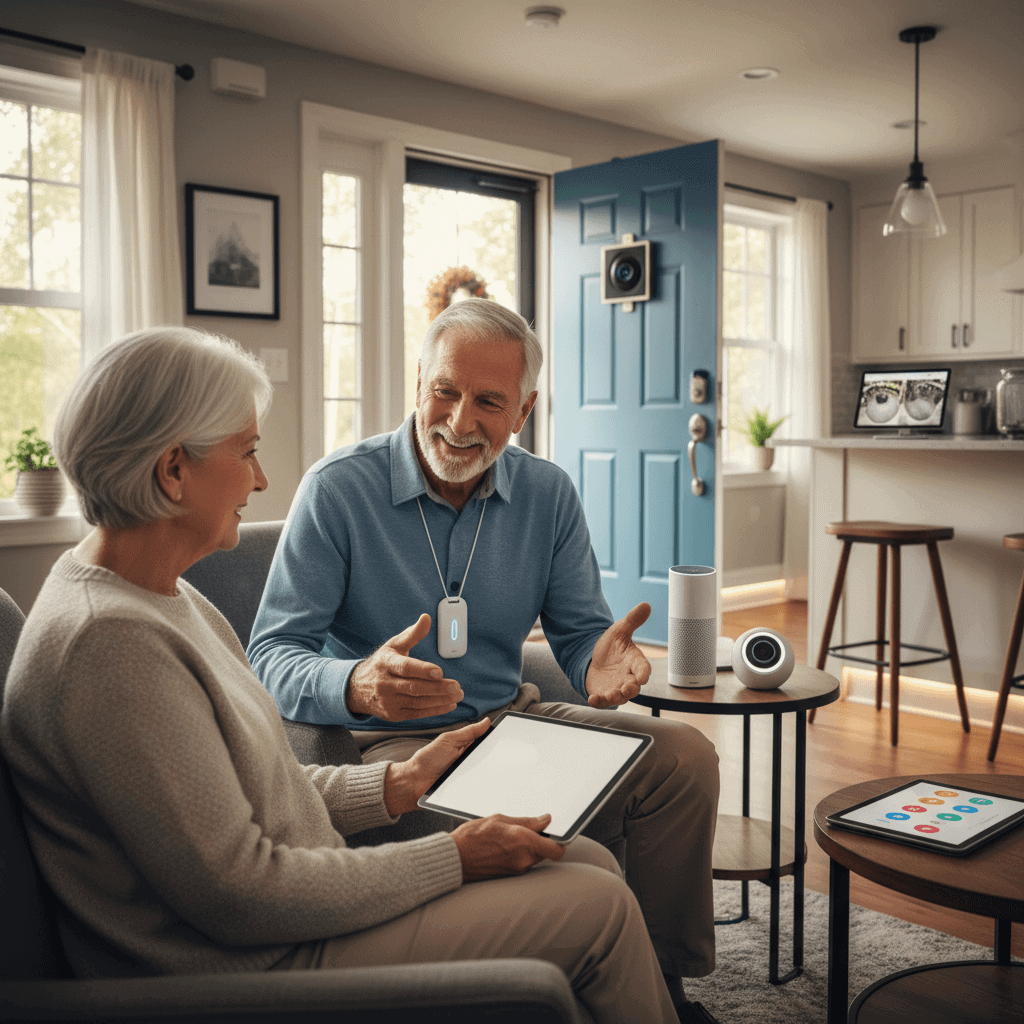

Ensuring the safety of our older loved ones at home has become a top priority for many families. I know this personally as I have seen the worries that come with an aging parent living independently. Thankfully, modern innovations offer practical and effective solutions to these common concerns. Technology can provide a strong safety net.
Living independently is something most seniors cherish. It gives them a sense of control and dignity. Home safety technology helps maintain this freedom by addressing potential risks like falls, forgotten medications, or medical emergencies. It gives both seniors and their families greater peace of mind every single day.
This guide will explore the various types of senior home safety technology available today. We will look at how these tools can improve safety, boost independence, and offer reassurance to everyone involved. I want to share insights into making informed choices about the best solutions for your specific needs.
Understanding the Need for Senior Home Safety Technology
Aging in place is a common goal for many older adults. However, living independently comes with its own set of challenges and potential dangers. I have observed that simple daily tasks can become difficult and risks can increase over time. Falls are a leading cause of injury among seniors, and a medical emergency can happen without warning. We also see issues with medication management and sometimes even wandering.
These vulnerabilities are not just statistics. They represent real fears for families who want their loved ones to be safe and comfortable. The good news is that technology has stepped in to bridge many of these gaps. It provides solutions that allow seniors to stay in their homes longer and with greater security. I find this development very encouraging because it empowers individuals while easing family worries.
Common Home Hazards for Older Adults
Many everyday items in a home can become hazards for seniors. Loose rugs, poor lighting, and cluttered pathways often cause falls. These falls can lead to serious injuries like fractures or head trauma. Kitchen accidents can happen too because of forgotten stoves or spills. Bathroom slips are another frequent concern.
Beyond physical dangers, there are also health-related risks. Forgetting to take medicine or taking the wrong dose can have severe health consequences. When an unexpected medical event occurs, like a sudden illness or a stroke, getting help quickly is critical. These are the kinds of situations where timely intervention can make a huge difference in outcomes.
The Emotional Impact of Enhanced Safety
The benefits of home safety technology extend far beyond just preventing physical harm. There is a significant emotional component at play. Knowing that help is readily available gives seniors a greater sense of confidence. It reduces their anxiety about living alone and helps them feel more capable.
For family members, this technology offers immense relief. The constant worry about a loved one’s well-being can be overwhelming. Seeing that effective safety measures are in place helps ease that burden. It fosters stronger relationships because interactions can focus on quality time rather than constant worry about safety. This shift is something I deeply value.
Personal Emergency Response Systems for Immediate Help
Personal Emergency Response Systems are a foundational element of senior home safety. They are often called medical alert systems and they provide a direct line to help during an emergency. I recommend considering these systems as a first step for many seniors. They give instant access to trained professionals who can dispatch emergency services or contact family members as needed.
These systems have evolved significantly from the simple button pendants of the past. Today’s PERS come with advanced features that offer a more comprehensive safety net. They are designed to be user-friendly and reliable. My experience tells me that finding a system that fits a senior’s lifestyle and technical comfort level is key for successful adoption.
Key Features to Look for in PERS
When selecting a PERS, look for systems with automatic fall detection. This feature is a game-changer because it can call for help even if the user is unconscious or unable to press a button. GPS tracking is another useful feature, especially for seniors who spend time outside the home. It allows first responders to locate them quickly wherever they are.
Modern PERS devices come in various forms. Some connect to a landline, others use cellular service. There are also smartwatch versions that look like regular watches, making them less noticeable. I suggest choosing one that your loved one will consistently wear. The ease of use and comfort level are very important to make sure the system is effective when needed most.
Smart Home Devices for Everyday Convenience and Security
Smart home technology does more than just impress guests. It offers practical benefits for senior safety and daily living. These devices make a home more accessible and less prone to accidents. I have seen how they simplify routines and provide a layer of protection that traditional homes often lack.
Setting up smart lights, for instance, means no more fumbling for switches in the dark. This reduces the risk of falls, particularly at night. Smart locks offer convenience and security, allowing remote access for caregivers or emergency personnel. They also ensure the door is always locked, even if someone forgets.
Smart thermostats help maintain a comfortable and safe indoor temperature. This is important for senior health, especially during extreme weather. Voice assistants like Amazon Alexa or Google Home allow seniors to control lights, make calls, or get information using only their voice. This accessibility is a big plus, especially for those with limited mobility. I believe these devices create a more responsive and safer living environment.
Advanced Monitoring and Communication Tools
Beyond basic safety alerts, advanced monitoring and communication tools give families greater oversight and connection. These systems help identify potential issues before they become major problems. They provide a sense of security that goes beyond just reacting to emergencies. I have observed that families often feel more at ease knowing they can check in on their loved ones discreetly and effectively.
Security cameras are a good example. Indoor cameras can monitor activity in common areas without being intrusive. Outdoor cameras can keep an eye on entrances and property, deterring unwanted visitors. Motion sensors placed in strategic locations can alert caregivers to unusual activity, like a senior not getting out of bed at their usual time. This offers a proactive approach to safety.
Video doorbells enhance security by allowing seniors to see and speak to visitors without opening the door. This protects against scams or unwanted solicitations. Many of these systems offer two-way communication, so family members can speak directly through the device. Understanding the broad spectrum of senior home safety technology can help you choose the right blend of tools.
Health Monitoring Devices for Proactive Care
Health monitoring devices are changing the landscape of senior care. They empower individuals to take an active role in managing their health from the comfort of their own homes. I have seen how these tools can provide valuable data to healthcare providers, leading to more informed and timely medical interventions. This proactive approach helps catch problems early.
Wearable health trackers can monitor vital signs like heart rate, activity levels, and sleep patterns. This data can alert family members or doctors to sudden changes that might indicate a health issue. Smart medication dispensers are another helpful innovation. They can remind seniors when to take their medicine and dispense the correct dosage. Some even notify caregivers if a dose is missed.
Smart scales and blood pressure monitors can automatically record and share readings with family or medical professionals. This eliminates the need for manual tracking and ensures data accuracy. The consistent collection of this health information allows for better long-term health management. It also provides peace of mind knowing that health trends are being monitored closely.
Smart Appliances and Environmental Sensors
Safety in the home is not just about personal health and security. It also involves protecting against environmental hazards. Smart appliances and various sensors can play a crucial role in preventing accidents and ensuring a safe living space. I think these technologies are often overlooked but they offer significant benefits for senior safety.
In the kitchen, smart appliances with auto-shutoff features can prevent fires caused by forgotten stoves or ovens. These devices can also be remotely monitored and controlled. This gives family members the ability to check on appliance status even when they are not physically present. It adds an important layer of safety to the heart of the home.
Environmental sensors detect common household dangers like water leaks or carbon monoxide. Water leak detectors can be placed under sinks or near water heaters to alert residents and caregivers to potential flooding. Smart smoke and carbon monoxide detectors provide instant alerts to smart devices. They also communicate with emergency services when dangerous levels are detected. These sensors provide critical early warnings that can prevent major damage or save lives.
Integrating Your Safety Technology for a Cohesive System
The real power of senior home safety technology comes from integrating various devices into a cohesive system. Having standalone gadgets is helpful. However, a connected system provides a more comprehensive and efficient safety solution. I believe that a unified approach simplifies management and maximizes protection.
Many smart home platforms allow you to connect different devices. This means you can control lights, locks, cameras, and sensors from a single app or voice assistant. This central control makes it easier for seniors to use the technology. It also simplifies monitoring for caregivers. For example, if a fall is detected, the system could automatically turn on lights and unlock the front door for emergency responders.
Considering professional installation and ongoing support is also very important. While some devices are simple to set up, integrating multiple systems can be complex. Professionals can ensure everything works together seamlessly. They can also provide training and troubleshoot any issues. This support ensures that your investment in safety technology continues to function effectively over time.
Choosing the Right Senior Home Safety Technology for Your Family
Navigating the world of senior home safety technology can feel overwhelming because there are so many options available. However, I want to assure you that finding the right solutions for your loved one’s specific needs is a worthwhile endeavor. The peace of mind that comes from knowing they are safe and supported in their home is truly priceless.
Think about the unique challenges your loved one faces and prioritize the technologies that address those concerns directly. Whether it is preventing falls, managing medications, or simply staying connected, there is a technological solution that can help. Take the time to research different products, read reviews, and consider systems that offer a good balance of features, ease of use, and reliability. I always advise starting with the most pressing needs and then gradually expanding your safety network.
Remember that the goal is not just to install devices but to create a safer, more comfortable, and independent living environment. Involve your loved one in the decision-making process whenever possible. Their input is important because it ensures they feel comfortable with the technology. Taking these steps today can significantly enhance their quality of life and give you the reassurance you deserve. Start exploring your options and build a safer future for your family.