
Achieve a Sophisticated Look with Dark Flooring
June 6, 2026
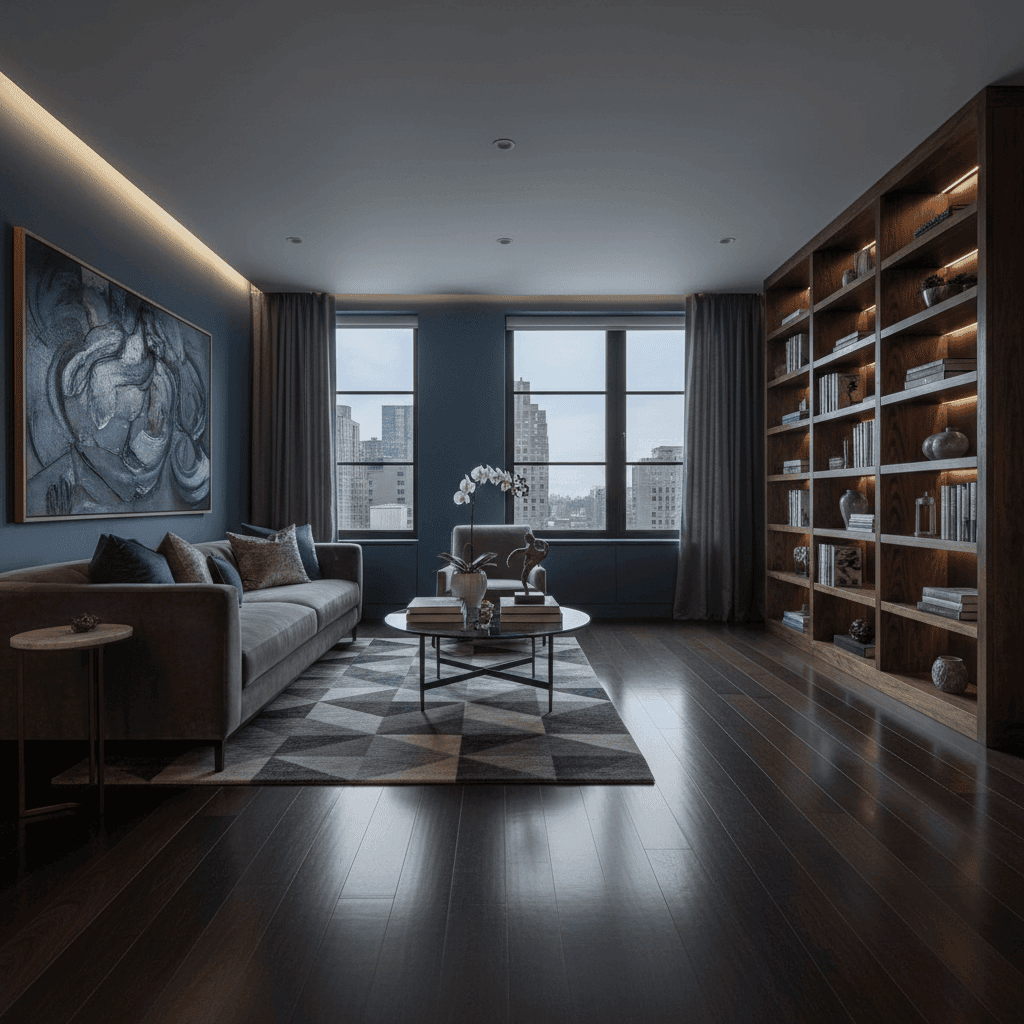

Achieve a Sophisticated Look with Dark Flooring is a design direction that many homeowners and designers choose when they want interiors that feel grounded and refined. Dark floors can add weight and drama without overwhelming a space when chosen and installed with intention. This article explains how to select materials, match colors, handle lighting, and maintain surfaces so that a dark floor remains an intentional part of a room for years.
Throughout the piece you will find concrete examples, room by room suggestions, and maintenance tips drawn from real projects. Read on for practical ideas that avoid common pitfalls and make it easy to plan a confident result when you pick dark flooring for a home or rental.
Why dark flooring creates a sophisticated look
Dark floors work visually because they provide contrast and a sense of cohesion. Deep brown, charcoal, and near-black tones draw the eye downward and frame furniture and accessories like a stage set. A dark plane across the floor can make light walls appear brighter and textured surfaces stand out. In open plan interiors, a consistent dark floor visually connects adjacent areas without requiring matching furniture across rooms.
Psychologically, darker tones often read as more formal or mature. That does not mean a space with dark flooring must feel staid. When paired with varied textures and lighter accents the result is layered and inviting. The key is the relationships between floor color, wall color, trim, and furnishings so that the floor acts as a stabilizing element rather than a dominating one.
Choosing material and finish for longevity and look
Selecting the right material determines how the floor will look over time and how it handles wear. Each option has tradeoffs in cost, maintenance, and appearance.
- Solid hardwood offers natural grain and can be sanded and refinished multiple times. Hardwoods with higher Janka ratings resist dents and hold finish longer. Staining native species allows for a range of dark tones while keeping grain visible.
- Engineered wood provides the look of hardwood with greater stability in humid climates. The top veneer can be dark stained while the construction below helps prevent warping.
- Luxury vinyl plank now mimics wood and stone closely and is highly durable against moisture and heavy traffic. It is a practical choice in kitchens and basements.
- Tile and stone can deliver dramatic scale and reflectivity. Polished stone makes a luxurious statement, while matte tile feels more restrained.
Finish choices and surface texture
Finish matters as much as color. A high gloss sheen will reflect more light and show scratches readily. Satin or matte finishes hide imperfections and help a dark floor feel more modern and resilient. Distressed or hand-scraped textures reduce the appearance of wear because they distribute minor marks across the surface.
Choosing a wood species
Species influence grain and undertone. Walnut has warm brown tones with subtle grain while oak takes on stain more evenly and shows stronger grain patterns. When you test samples in the room, look at them under both natural and artificial light and beside your furniture and rugs to judge undertone and contrast.
Pairing dark floors with wall color and lighting
Balancing color and light is essential so a dark floor becomes a design asset. Lighter walls provide contrast and prevent a room from feeling too enclosed. Consider warm whites and soft neutrals for a classic look. For a modern mood, mid-tone grays and muted blues pair well with cool, deep flooring.
Lighting strategy affects how dark floors read. Layered lighting including overhead, task, and accent sources will keep surfaces visible and the room welcoming. Placing reflective elements such as a large mirror, metal finishes, or a light rug near a seating area adds bounce and reduces visual heaviness without removing the dramatic grounding effect of the floor.
Room by room guidance for successful installation
How you use dark flooring will vary by room. Here are practical tips for common areas.
Living room and open plan areas
In living rooms, anchor seating with a lighter area rug to create a focal point. Rugs provide necessary contrast and protect high traffic paths. Arrange furniture to create intentional zones that read clearly against the darker background. If you have an open plan, carry the dark floor through adjoining rooms for visual continuity while changing rugs or paint to define function.
Kitchen and dining areas
Kitchens with dark floors look elegant when cabinets and backsplashes offer contrast. White or light-colored cabinetry keeps the palette fresh. For more dramatic spaces, try mid-tone cabinetry and brass or black hardware for a curated look. In dining rooms, dark floors create an intimate atmosphere. A lighter runner connecting to the hall or a patterned rug under the table can prevent the room from appearing too heavy.
Practical maintenance tips to keep dark flooring fresh
Dark floors show dust and light scratches more readily which means routine care helps a lot.
- Daily or weekly sweeping with a soft broom reduces abrasive grit that causes wear.
- Use a microfiber mop and cleaners formulated for your floor type. Avoid excess water on wood; wipe spills immediately.
- Place mats at entrances to reduce tracked dirt and grit. Felt pads under furniture legs cut down on scratching.
- For hardwood, plan light refinishing or recoating every several years depending on traffic. For engineered and vinyl floors, follow manufacturer recommendations for restorative care.
Simple habits such as removing shoes in high traffic areas and using protective pads under heavy furniture reduce the need for major repairs. For rentals or commercial settings choose finishes with higher wear ratings to match the level of use.
Common mistakes and how to avoid them
Some pitfalls are easy to prevent with planning.
- Choosing a floor sample only in a store can lead to surprises at home. Test full size planks or large samples in the actual rooms at different times of day.
- Pairing several dark elements without contrast can make a space feel heavy. Break up the darkness with lighter walls, reflective surfaces, or area rugs.
- Ignoring undertone. Two dark floors can read very differently if one has warm red undertones and the other leans cool gray. Match undertones to major finishes like cabinetry and trim.
- Overlooking lighting. Rooms with small windows benefit from additional layered lighting and reflective accents to keep a healthy balance of light and shade.
Sourcing and inspiration
When you are ready to look for materials and examples, collect photos, swatches, and product specs. Visit showrooms and request large samples to sit in your space. Ask sellers about maintenance and warranty specifics. If you want further reading and visual references, consult this article for additional background on dark flooring design and current market options dark flooring design trends.
Budgeting and planning for installation
Costs vary widely by material, finish, and installation complexity. Hardwood typically has higher upfront costs but can be refinished multiple times which may lower lifetime cost in a long term view. Engineered wood and higher end vinyl provide a middle ground with lower vulnerability to moisture. Tiles and stone often have higher installation labor costs due to the substrate preparation needed.
- Get multiple quotes and confirm what is included such as removal of old flooring, leveling of subfloor, and finishing work.
- Plan for transition pieces between room types. Transition strips help with movement between different floor heights and materials.
- Schedule work during a season when humidity is stable to reduce expansion or contraction issues.
Set aside a contingency for unexpected subfloor repairs. A clear scope of work with milestones helps keep the project on track and reduces surprises.
Achieve a Sophisticated Look with Dark Flooring is an achievable goal when the choices are thoughtfully matched to the home and lifestyle. Dark floors bring personality and structure to interiors. They pair well with lighter walls, layered lighting, and a mix of textures to keep rooms lively and comfortable. Careful sample testing, a plan for maintenance, and clear communication with installers prevent common missteps. If you are ready to try this aesthetic, start by collecting samples to view at different times of day. Measure the room and list high traffic zones so you can choose a finish suited to daily use. Consult with a flooring professional for installation details and request references or photos of previous similar projects. With preparation you can create a space that feels intentional and inviting. Take the next step and request samples or book a consultation with a local flooring specialist to see how dark flooring will perform in your home.